

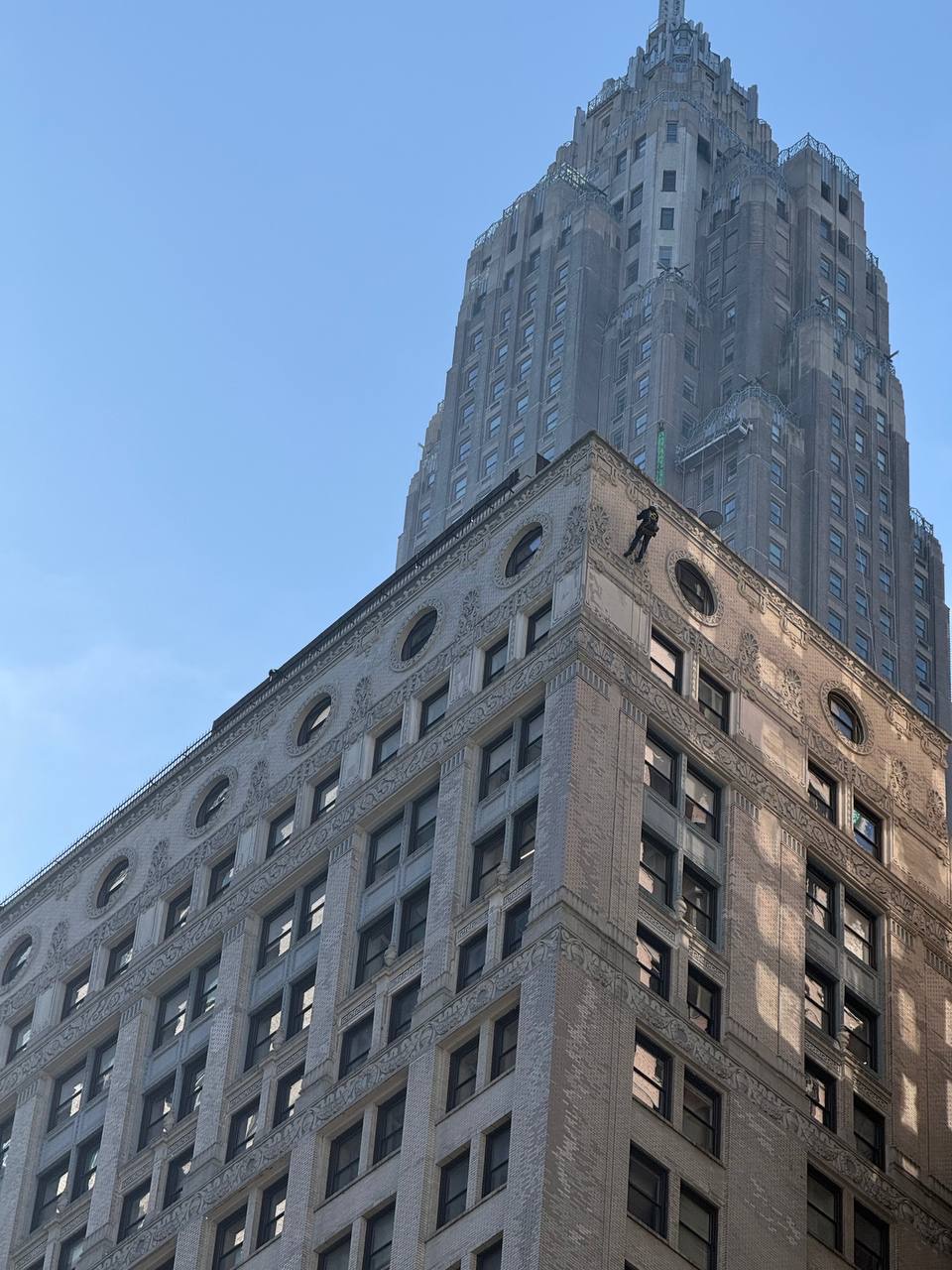
Top Team FISP inspection experts
Is your building compliant with FISP regulations? Avoid costly violations and protect your property with our expert façade inspection services.
Safe and professional FISP (LL11) inspection service





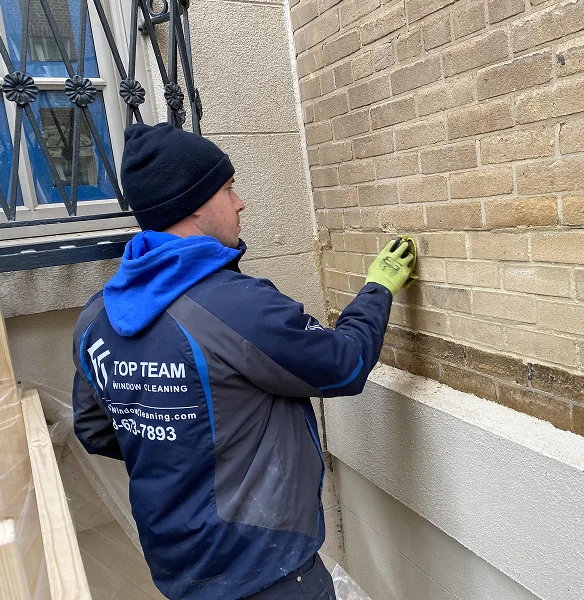
What is a FISP (LL11) inspection?
FISP or formerly known as Local Law 11 mandates periodic critical examinations of exterior walls and appurtenances for buildings over six stories in NYC. This program operates on five-year cycles, with buildings assigned to sub-cycles to stagger inspection deadlines.
Building owners are legally obligated to hire a Qualified Exterior Wall Inspector (QEWI), a registered architect or professional engineer certified by the NYC Department of Buildings (NYCDOB), to conduct a thorough "critical examination" of their building's façades.
Who qualifies for a FISP inspection?
FISP applies to any NYC building taller than six stories. This includes residential apartment buildings, commercial office buildings, mixed-use properties, educational institutions, hospitals, and healthcare facilities.
If you are unsure whether your building qualifies or want to discuss your upcoming inspection cycle, contact us and we will get back to you with the information you need.
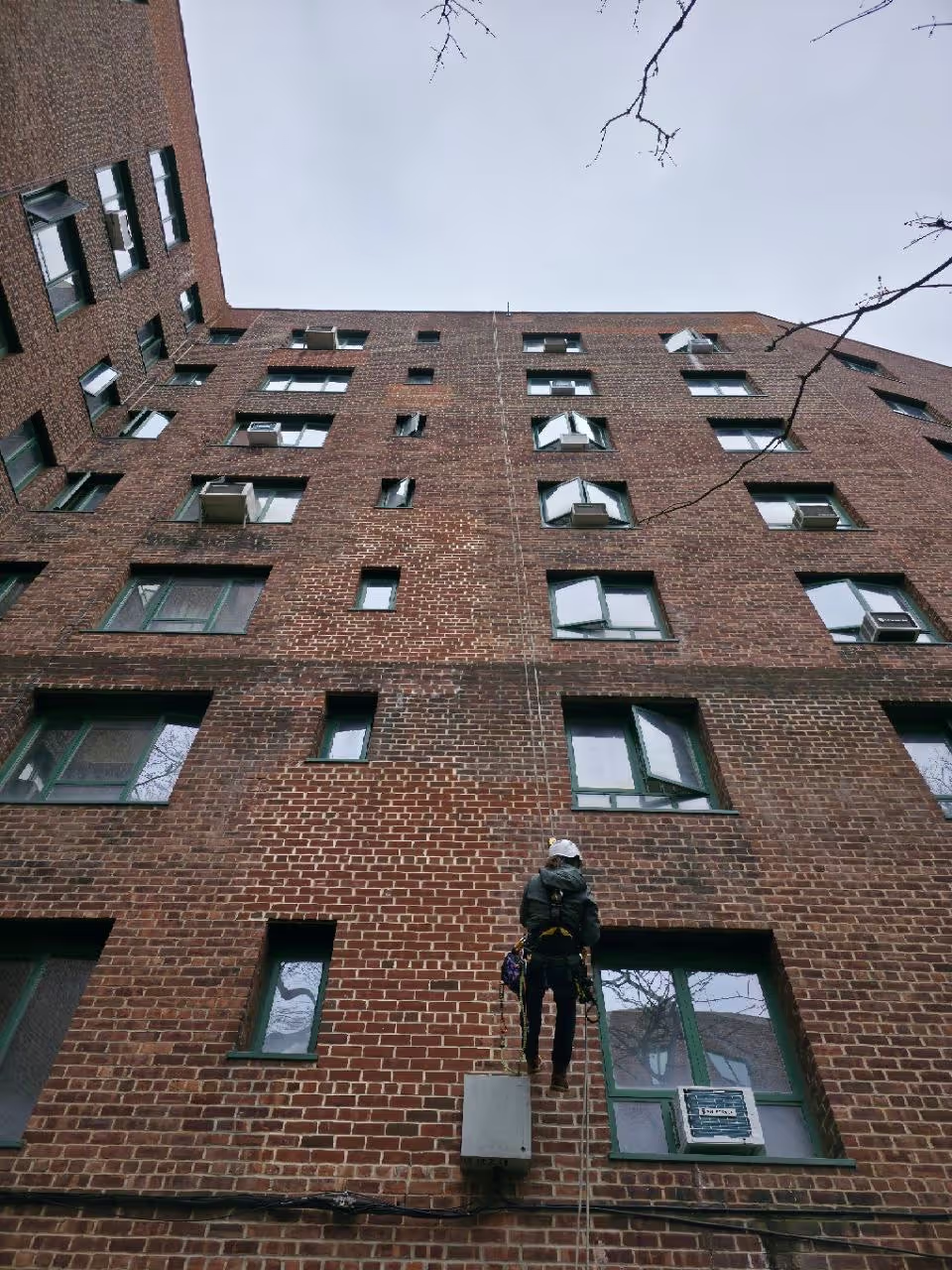
We work with the professionals responsible for FISP compliance, including:
Building managers
Keeping properties compliant with NYDOB safety and regulatory standards
Architects
Incorporating facade inspections into design and renovation plans
Construction companies
Ensuring the integrity of new and renovated building exteriors
Property owners
Protecting investments and prioritizing tenant safety
Real estate developers
Meeting compliance standards and conducting due diligence
Co-op and condo boards
Managing responsibilities for long-term building safety
Our goal is to help you to ensure safe facade access for FISP inspections and hazardous condition assessments

Safety
All work at height follows strict OSHA and SPRAT safety protocols. Technician training, equipment checks, and on-site procedures are non-negotiable on every project.

Expertise
Top Team technicians have direct field experience with FISP inspections and facade restoration across New York City buildings.

Technology
We use high-resolution cameras and borescope equipment to document facade conditions in detail, supporting the engineer of record with accurate field data.
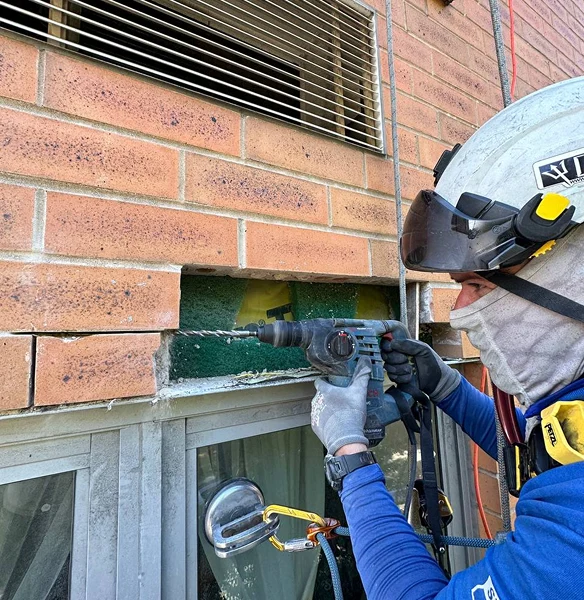
Top Team expertise for your FISP inspection
We provide facade access for engineers and inspectors conducting FISP examinations. Our certified technicians work alongside your engineer of record, reaching areas that cannot be assessed from the ground or through a window. Every visit is documented with photos tied to specific locations on the facade.
FISP compliance is a legal requirement for buildings over six stories in New York City. Missing a filing deadline or failing to address unsafe conditions can result in DOB violations and penalties. We help the professionals responsible for your building stay on schedule and on record.
Top Team provides several key benefits, that makes us the primary choice with:
- Comprehensive inspections, ensuring thorough examinations with cavity wall probing and detailed close-up inspections;
- NYDOB expertise, guaranteeing full compliance with the latest FISP regulations;
- Detailed reporting, providing clear, concise reports with actionable recommendations;
- A seamless process, managing all aspects of the inspection and filing process to minimize your stress;
- Proactive solutions, identifying potential issues early to prevent costly repairs and violations;
- Safety-first approach, prioritizing safety in all our inspection procedures.
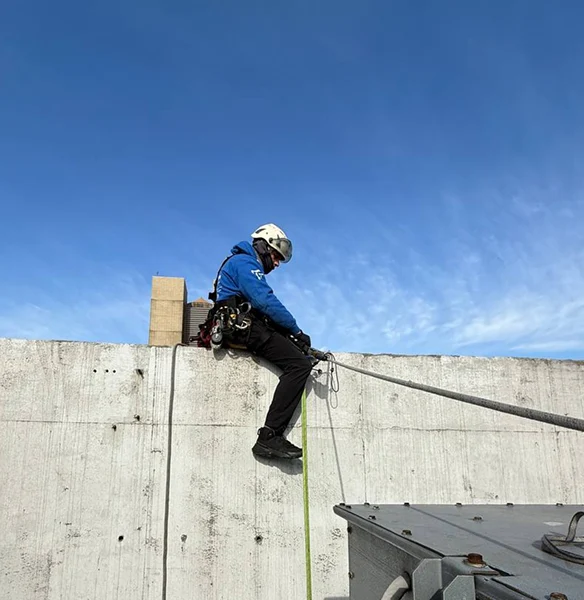
Our inspection process is designed to be efficient and thorough
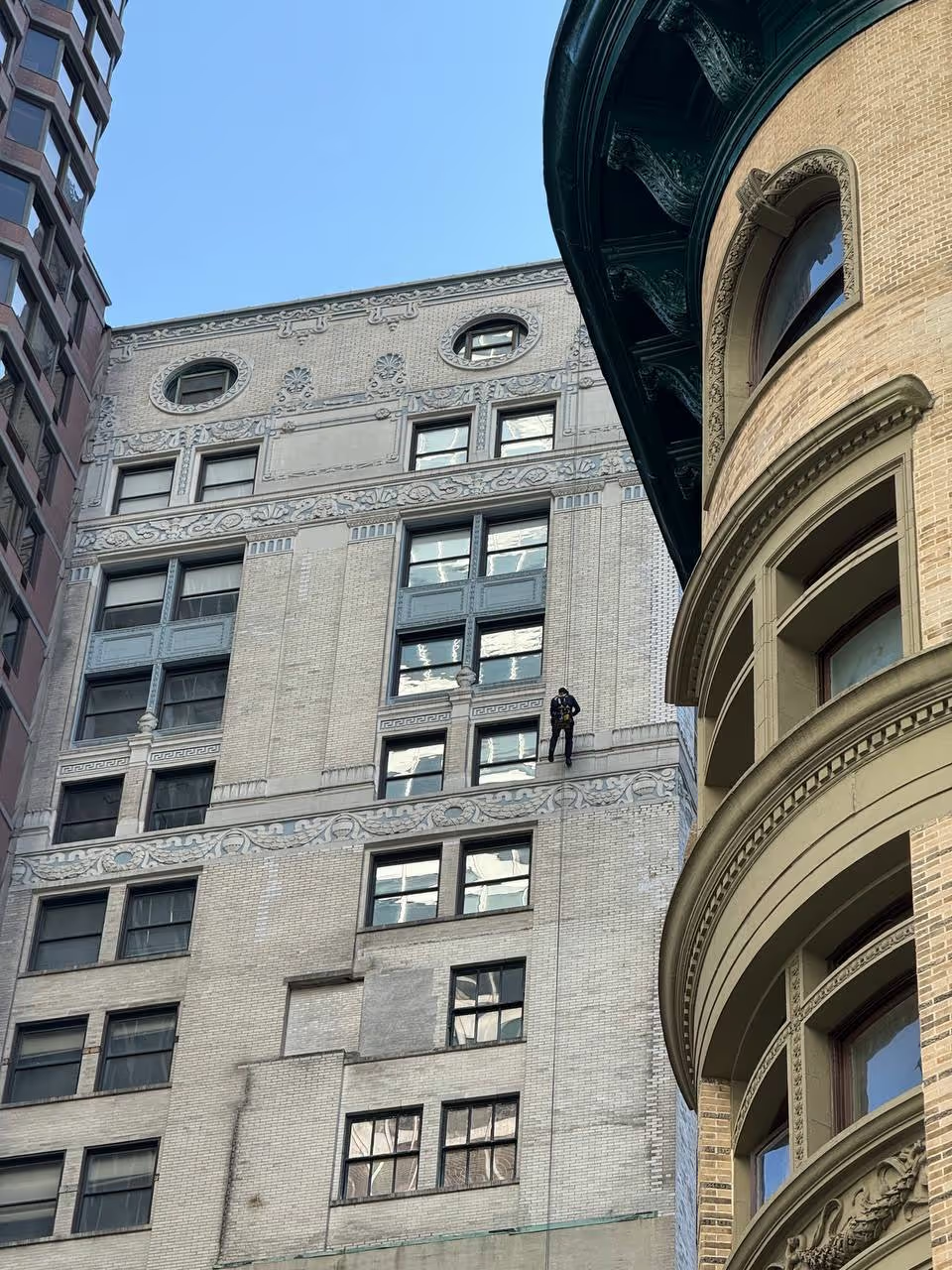
Discovery stage
It begins with an initial consultation to discuss your building's history and specific needs.
Access planning
We proceed with access planning to determine the optimal access methods, such as scaffolding, lifts, or rope access.
Physical inspection and documentation
Our team conduct a critical examination, including visual and close-up examinations, its usually includes masonry, brickwork, terra cotta, concrete, windows, balconies, fire escapes and any other attachments to the building's façade. We document all findings with written descriptions, photographic and video evidence. If applicable, we perform cavity wall probing to assess wall tie conditions.
Reporting
We compile a comprehensive FISP report, classifying the building's condition, handle the seamless filing of your FISP report with the NYDOB and provide clear and actionable repair recommendations.
We are here to address your questions
FISP, formerly Local Law 11, is a New York City regulation that mandates periodic inspections of the exterior walls and appurtenances of buildings taller than six stories. Its primary purpose is to ensure public safety by identifying and addressing potentially hazardous façade conditions. Over time, building facades can deteriorate due to weather, age, and other factors, posing risks to pedestrians and surrounding properties. FISP aims to prevent façade failures and maintain the structural integrity of buildings.
FISP inspections are required every five years. The city divides buildings into sub-cycles (A, B, and C) based on their block number, which staggers the inspection deadlines. This ensures a consistent flow of inspections throughout the city. You must check the current cycle and your building's assigned sub-cycle to determine your specific deadline.
Only a Qualified Exterior Wall Inspector (QEWI), who is a registered architect or professional engineer certified by the NYC Department of Buildings (NYCDOB), can perform a FISP inspection. These professionals have specialized knowledge and experience in façade inspection and restoration, ensuring they can accurately assess building conditions and identify potential hazards.
If your building is deemed "unsafe," you must immediately notify the NYCDOB. You are also required to install public protection measures, such as sidewalk sheds, to safeguard pedestrians. Necessary repairs must be performed within a specified timeframe to address the hazardous conditions and bring the building into compliance. Failure to take prompt action can result in significant penalties.
The FISP inspection process includes a "critical examination" of the building's exterior walls and appurtenances. This involves visual inspections from various vantage points, close-up examinations using access methods like scaffolding, boom lifts, or rope access, and detailed documentation of findings. For buildings with cavity walls, probes are used to assess the condition of wall ties. The QEWI then prepares a report classifying the building's condition as SAFE, SWARMP (Safe With a Repair and Maintenance Program), or UNSAFE, and files it with the NYCDOB.
Failure to comply with FISP regulations can result in violations and penalties from the NYCDOB. This can include fines, orders to perform immediate repairs, and even legal action. Non-compliance can also pose significant safety risks to the public and damage a building's reputation.
A "SAFE" classification indicates that no hazardous conditions were found during the inspection. A "SWARMP" (Safe With a Repair and Maintenance Program) classification means that certain conditions requiring repairs or maintenance were identified, but they do not pose an immediate safety risk. The building owner must address these conditions within a specified timeframe to maintain compliance.
To prepare for a FISP inspection, gather any relevant building records, including past inspection reports, repair records, and permits. Ensure that access to all exterior walls and appurtenances is clear. Consider hiring a QEWI well in advance of the deadline to allow ample time for the inspection and any necessary repairs. It is also good to check that all fire escapes, and balconies are free from obstructions.
Have a project coming up? Get in touch and we will take it from there.
Book a call to discuss your building and access needs. We will follow up to go over the scope, scheduling, and next steps.
